EN
EN
 jp
jp  ko
ko  es
es  ru
ru  pt
pt  th
th  ar
ar  vi
vi  id
id  kk
kk 
Construction
Build Better, Build Greener, with Celix HPMC

While cellulose ethers manage water retention and workability, the true mechanical "soul" of a high-performance mortar lies in its polymer content. VAE RDP (Redispersible Polymer Powder) is not merely an additive; it is the structural glue that transforms brittle cement into a flexible, high-adhesion system. At Celix Industrial, we engineer our RDP to bridge the gap between lab-tested standards and real-world durability.
Traditional cement mortars are strong in compression but weak in tension and flexibility. As the modern construction industry shifts toward large-format tiles and non-porous substrates, standard cement is no longer enough.
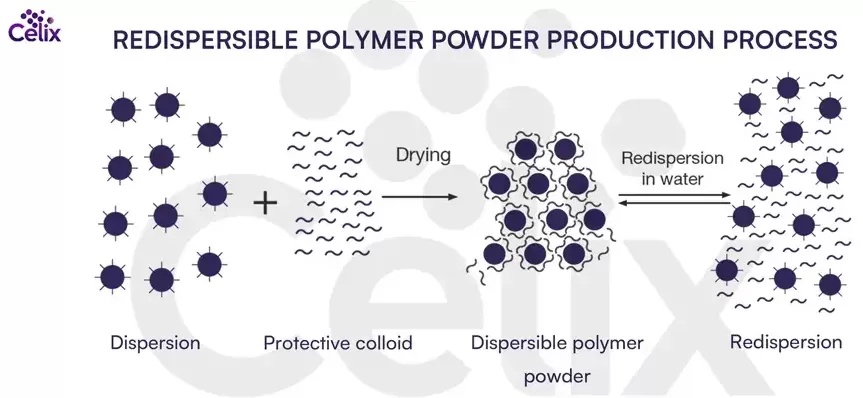
Our VAE RDP products provides the necessary flexibility. Once mixed with water, the powder redisperses into a polymer emulsion that fills the pores of the cement matrix. As the mortar sets, this emulsion forms a continuous, elastic film that acts as a "bridge" between the tile and the substrate, effectively absorbing stress and preventing cracks.
The value of an RDP is defined by its ability to return to its original liquid state. If the powder does not redisperse fully, it remains as inactive "sand" in your mix, wasting costs and compromising quality.
At Celix Industrial, we focus on the balance of protective colloids (PVA) and precise spray-drying temperatures. This ensures that our dissolves rapidly and uniformly, avoiding lumps and ensuring every gram of polymer contributes to the final bonding strength.
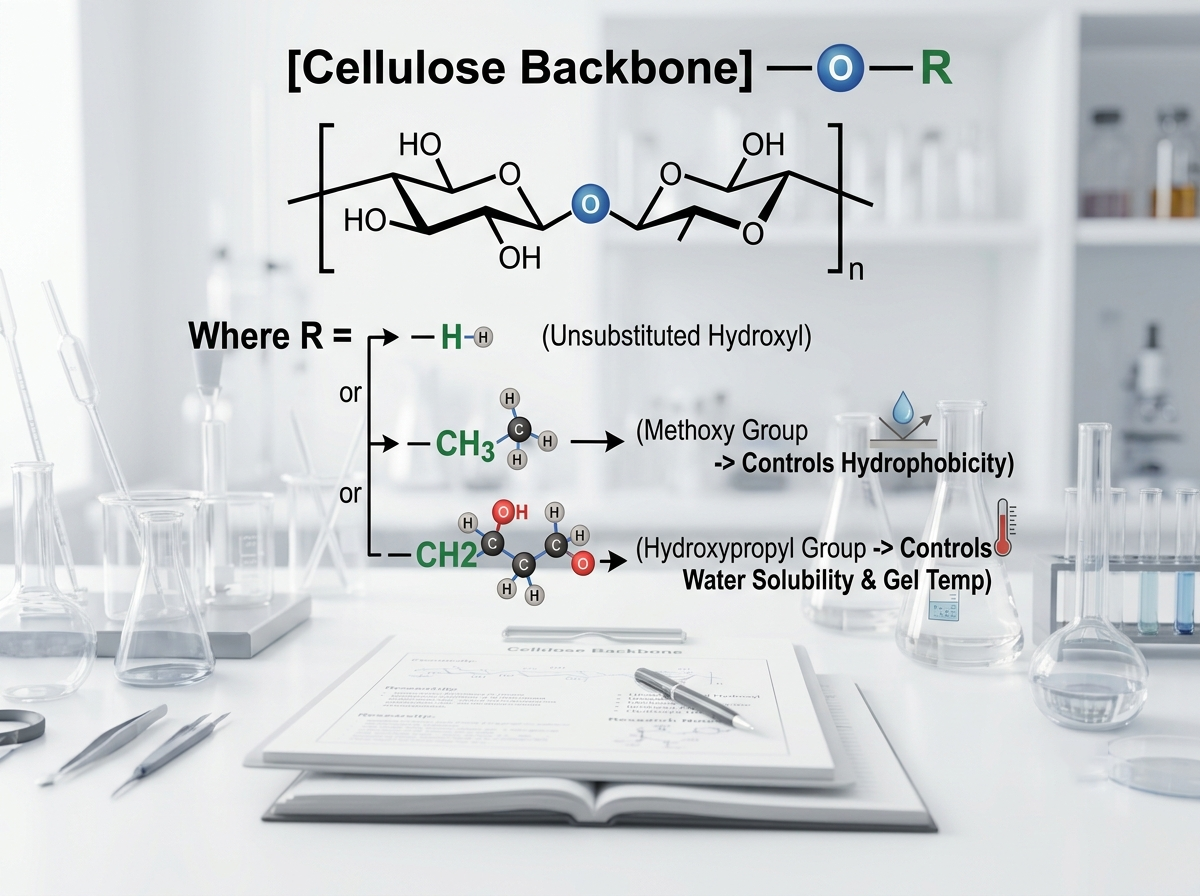
In a high-performance formula, additives never work alone. The synergy between Celix HPMC and VAE RDP is a masterclass in construction chemistry.
While HPMC holds the water necessary for the cement to hydrate and the polymer to coalesce, the RDP provides the late-stage adhesion. This partnership is what allows a mortar to meet C2TE standards—providing extended open time and high-grip strength even in challenging environments.
We know that B2B buyers fear batch inconsistency. To address this, Celix Industrial utilizes a rigorous quality control logic throughout our VAE production.
· Stable VAE Copolymerization: We ensure the foundation of our RDP is a mature, high-purity emulsion.
· Precision Temperature Modulation: We protect the polymer structure during spray-drying to prevent premature film formation in the bag.
· Batch Homogenization: We minimize performance drift, ensuring your C2 adhesive formula stays consistent from January to December.
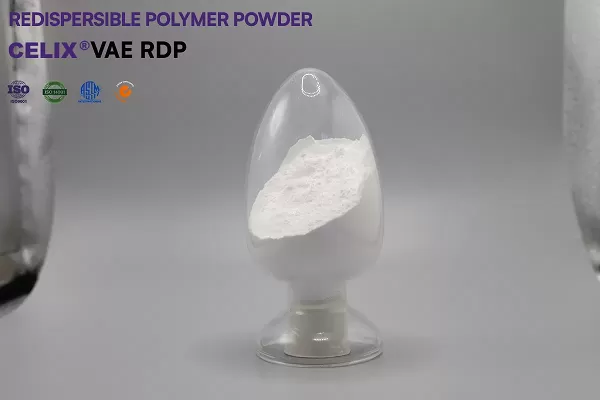
Don't settle for fillers when you can have engineered performance. Whether you are aiming for C1 stability or C2 flexibility, the Celix Industrial technical team is ready to help you optimize your dosage for maximum ROI.
Build Better, Build Greener, with Celix HPMC

Clean Safer, Care Smarter, with Celix Cellulose Ether

Drill Deeper, Operate Safer, with Celix Cellulose Ether

Formulate Precisely, Deliver Safely, with Celix Cellulose Ether

Taste Better, Keep Fresher, with Celix Cellulose Ether

Shape Stronger, Fire Smarter, with Celix Cellulose Ether
Contact Us

Celix Cellulose Co., Ltd, is an integrated chemical cellulose manufacturer with in-house R&D, factories, and global sales sites.
Our products include HPMC, HEC, MHEC, VAE RDP, PCE, PVA, Defoamers, PP fibers, HPS, SHP and Gypsum Retarder.


Celix Cellulose Co., Ltd, is an integrated chemical cellulose manufacturer with in-house R&D, factories, and global sales sites.
Our products include HPMC, HEC, MHEC, VAE RDP, PCE, PVA, Defoamers, PP fibers, HPS, SHP and Gypsum Retarder.
Quick Links
+8618330106777
info@celixcellulose.com