EN
 jp
 ko
 es
 ru
 pt
 th
 ar
 vi
 id
 kk
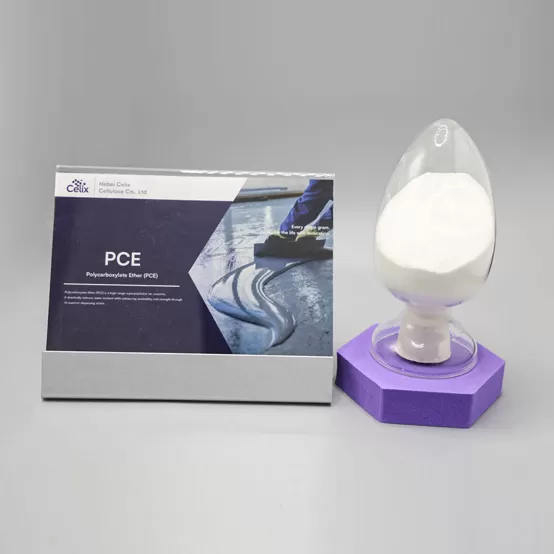

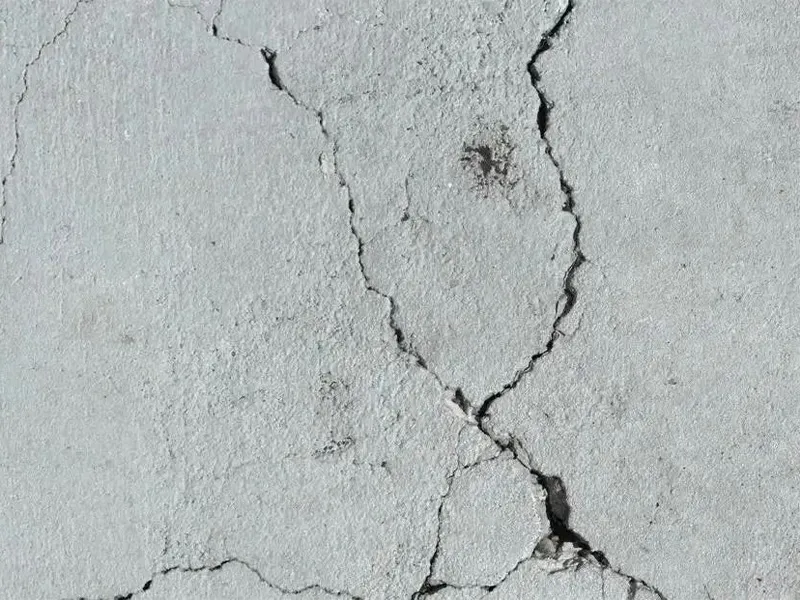
Celix Cellulose Co., Ltd, is an integrated chemical cellulose manufacturer with in-house R&D, factories, and global sales sites.
Our products include HPMC, HEC, MHEC, VAE RDP, PCE, PVA, Defoamers, PP fibers, HPS, SHP and Gypsum Retarder.

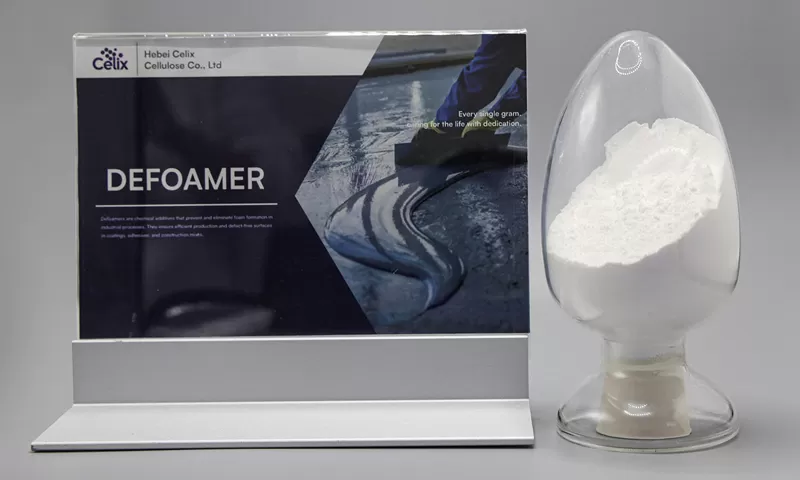
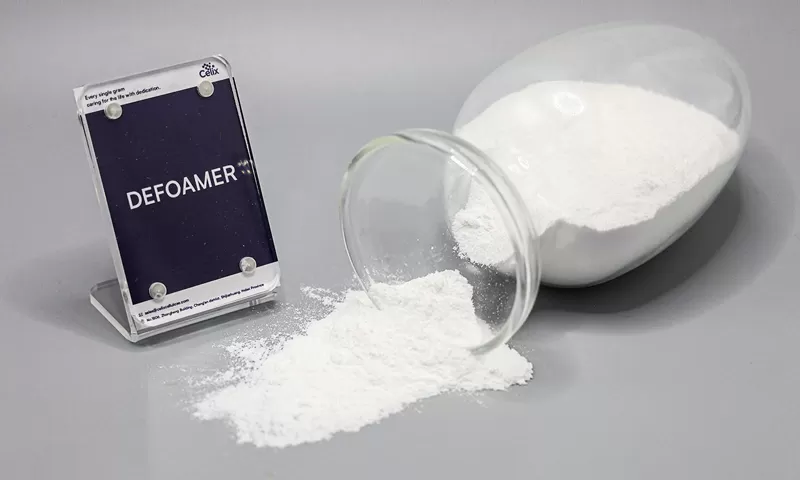
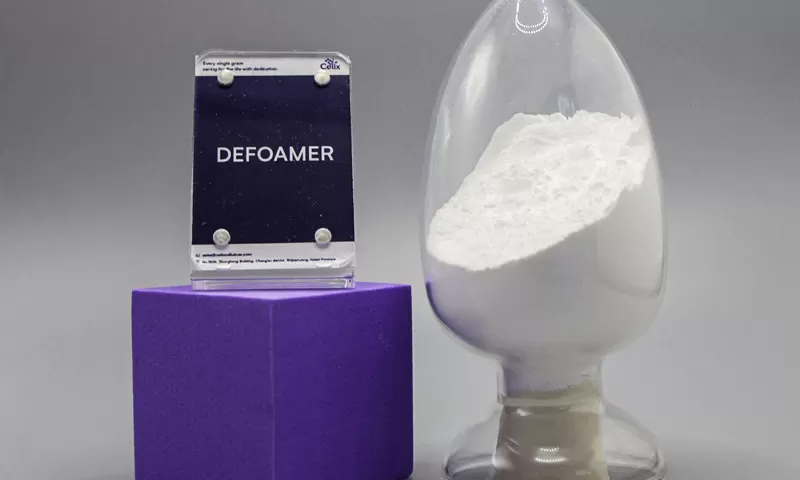
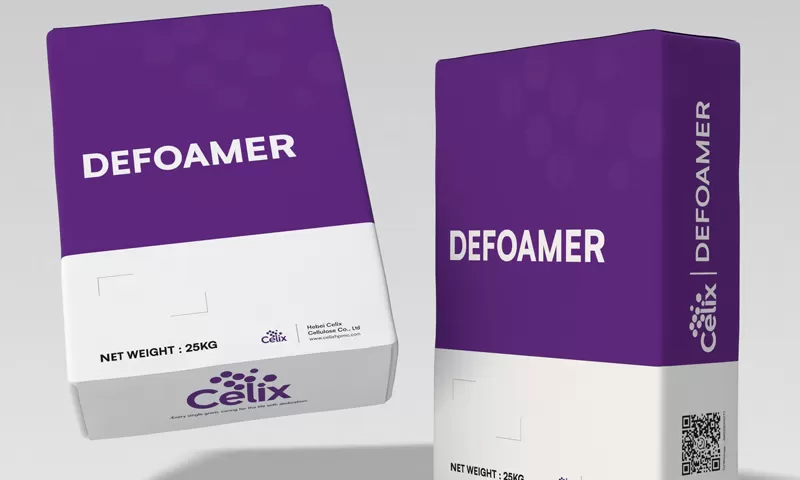
Celix defoamer powder can be an unwanted side effect of mixing, especially when water or air-entraining admixtures are involved. It can raise the caliber of the final product and increase process efficiency.
Celix Model: DF-141
CAS NO.: 9006-65-9,29860-47-7
Type: Chemical Agent
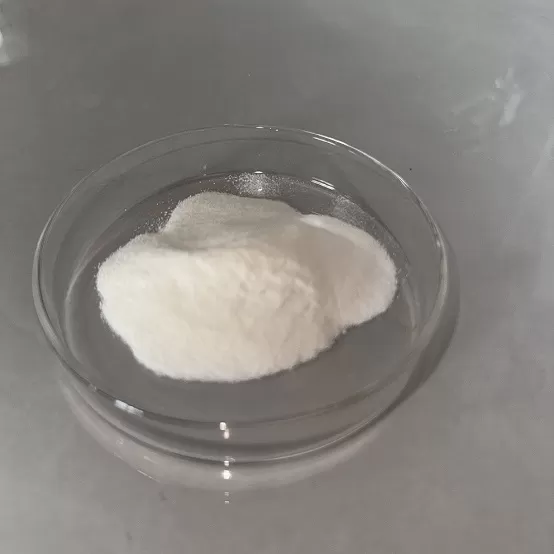
Appearance: White To Off-White Powder Substance
HS Code: 3824999999
Fast and Long-Lasting Defoaming
Provides rapid foam elimination and sustained defoaming performance in mortar systems.
Improved Flowability
Optimizes bubble size and distribution through dosage adjustment, enhancing mortar workability.
Excellent Compatibility
Works well with cement- and gypsum-based binders, as well as additives like retarders, expanders, and hardeners.
Improve Surface Quality
Reduce air holes and pinholes, and improve the density and smoothness of mortar, coating and concrete.
| Specification | Index |
| Exterior | White powder |
| Bulk density, g/L | 300 - 500 |
| pH value | 7 - 9 |
| CAS No. | 9006-65-9 29860-47-7 |
| Solid content | ≥98.0% |
| Water soluble | Soluble in water |
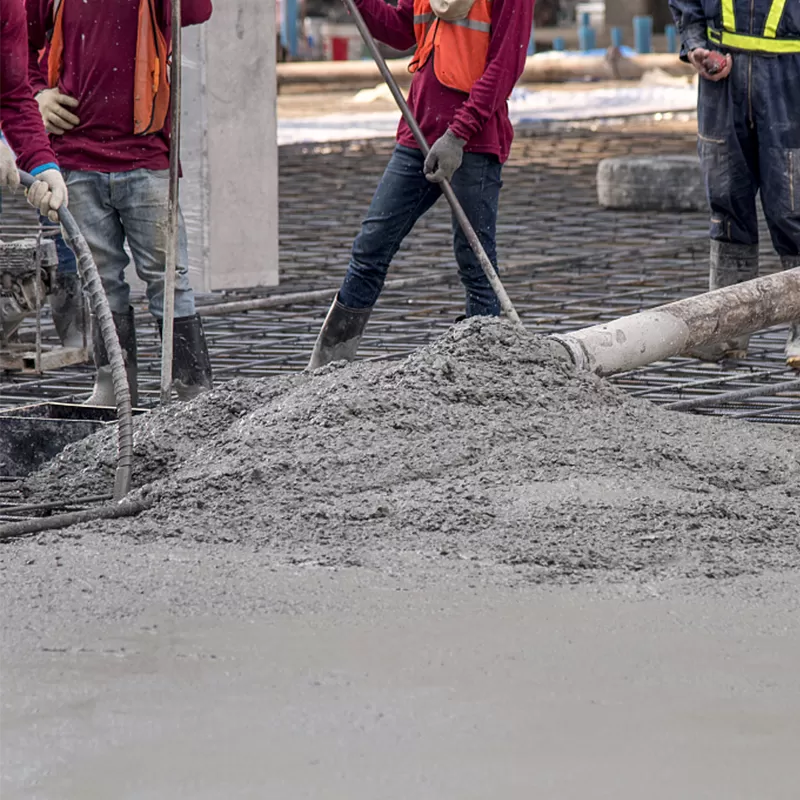
Powder defoamers prevent foam-related voids that can weaken grout. By reducing bubbles, they improve handling and application, even in confined areas. The result is denser, stronger grout with enhanced durability and long-term performance.
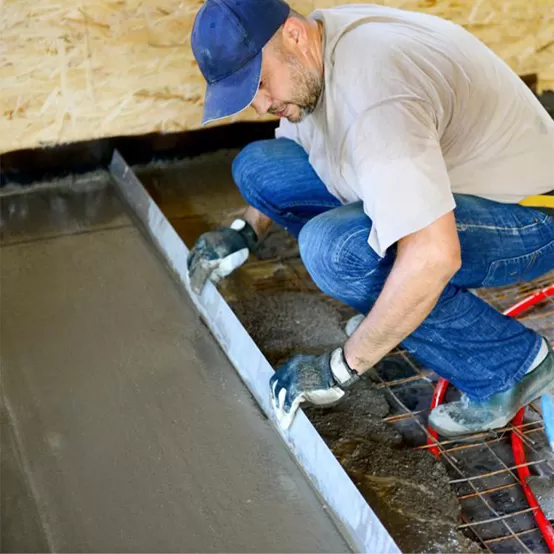
By controlling foam, powder defoamers improve flow and filling, ensuring smooth coverage without extra manual leveling. They also minimize thickness and texture variations, delivering a more uniform and reliable finish.

By removing air bubbles, defoamers can stop voids from compromising the integrity of the board. Because defoamers lessen the interference of trapped air, they can speed up the curing process. Defoamers contribute to a stronger and denser board by reducing air pockets.
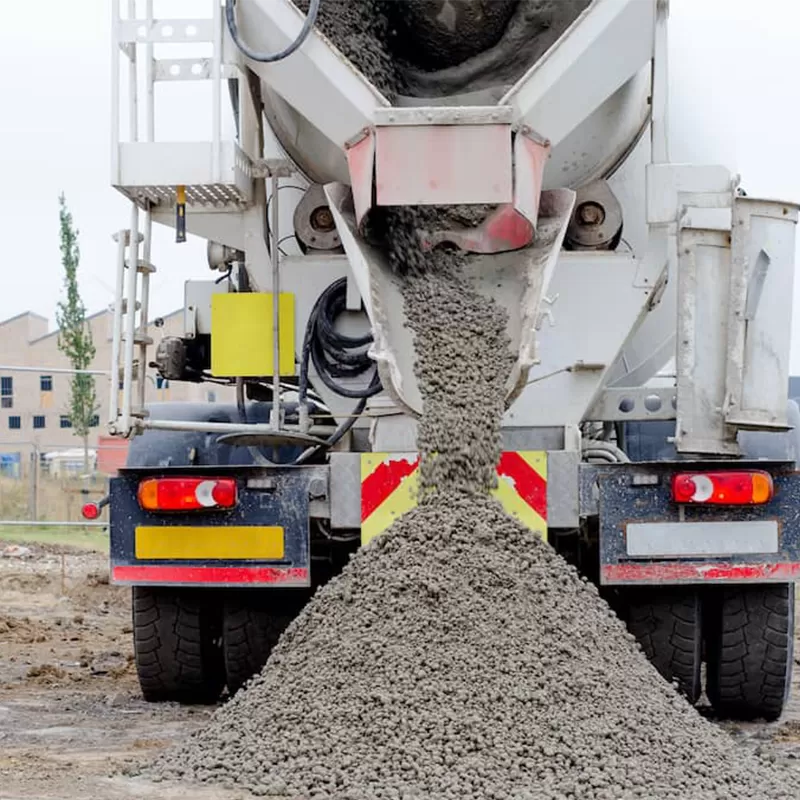
Defoamers can help the mortar set more rapidly by encouraging better consolidation, which speeds up subsequent building.
It can increase the mortar's overall durability and moisture resistance by reducing its absorption of water.
A more compact mortar is produced by reducing air pockets, which increases overall strength.
A defoamer (or antifoaming agent) is a chemical additive designed to eliminate existing foam (defoaming) and prevent new foam generation (antifoaming). It lowers interfacial tension and breaks air bubbles, ensuring product stability, density, and smooth surface finishes.
We supply high-performance defoamers tailored for various industrial needs:
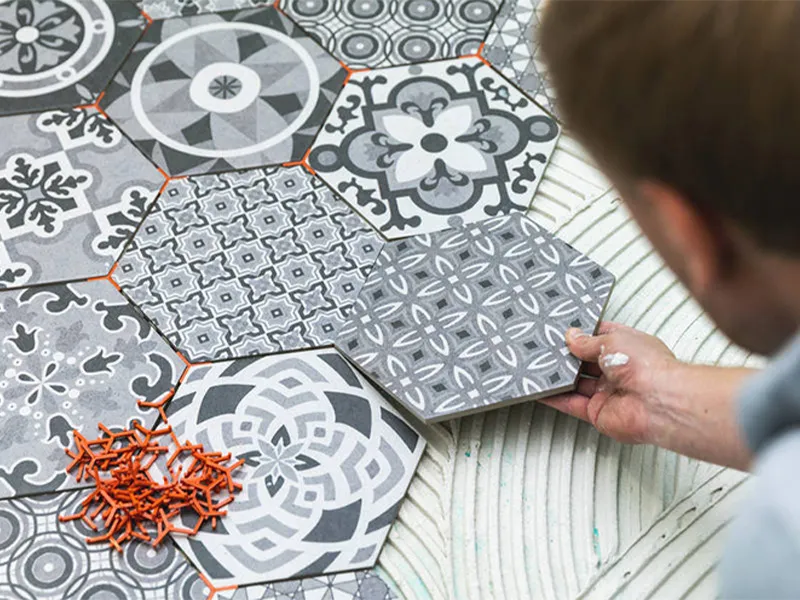
Powder Defoamers: Designed for dry-mix mortars, tile adhesives, wall putty, self-leveling compounds, and gypsum products.
Liquid Defoamers (Silicone / Polyether / Mineral Oil based): Suitable for liquid detergent, paints, coatings, water treatment, and emulsion polymerization.
Excess trapped air in mortar reduces structural density and mechanical strength. Our powder defoamer:
l Reduces Air Content: Eliminates unwanted macro-bubbles in the fresh mix.
l Improves Mechanical Strength: Enhances compressive and tensile bonding strength after curing.
l Optimizes Surface Quality: Prevents pinholes, craters, and honeycombs for a smooth, durable finish.
Yes. Our defoamers are engineered with high thermal and chemical stability. They retain excellent foam-suppressing capabilities in high-alkaline environments (such as cement and mortar systems with pH 12–13) and under strong mixing/shear forces.
Dosage depends on your specific formulation and target air content:
l For Dry-Mix Mortar / Construction Powders: Typically 0.05% – 0.5% of the total dry weight.
l For Liquid Formulations (Detergents/Coatings): Typically 0.1% – 0.5% of the total formulation.
l We recommend running laboratory dosage ladder tests to determine the optimum dosage for your system.
l Powder Defoamer: 25 kg paper-plastic composite bags with PE inner liner (palletized options available).
l Liquid Defoamer: 25 kg plastic drums, 200 kg drums, or 1000 kg IBC totes.
l Shelf Life: 12 months when stored unopened in a cool, dry, and well-ventilated area.
Yes. Free samples (500g for powder / liquid) are available for laboratory evaluation. Contact our sales team to request samples for your formulation trials.
Contact Us

Celix Cellulose Co., Ltd, is an integrated chemical cellulose manufacturer with in-house R&D, factories, and global sales sites.
Our products include HPMC, HEC, MHEC, VAE RDP, PCE, PVA, Defoamers, PP fibers, HPS, SHP and Gypsum Retarder.


Celix Cellulose Co., Ltd, is an integrated chemical cellulose manufacturer with in-house R&D, factories, and global sales sites.
Our products include HPMC, HEC, MHEC, VAE RDP, PCE, PVA, Defoamers, PP fibers, HPS, SHP and Gypsum Retarder.
Quick Links
+8618330106777
info@celixcellulose.com