EN
 jp
 ko
 es
 ru
 pt
 th
 ar
 vi
 id
 kk
Celix Cellulose Co., Ltd, is an integrated chemical cellulose manufacturer with in-house R&D, factories, and global sales sites.
Our products include HPMC, HEC, MHEC, VAE RDP, PCE, PVA, Defoamers, PP fibers, HPS, SHP and Gypsum Retarder.

EIFS with Celix HPMC promises even higher performances and excellent working efficiencies on job sites.
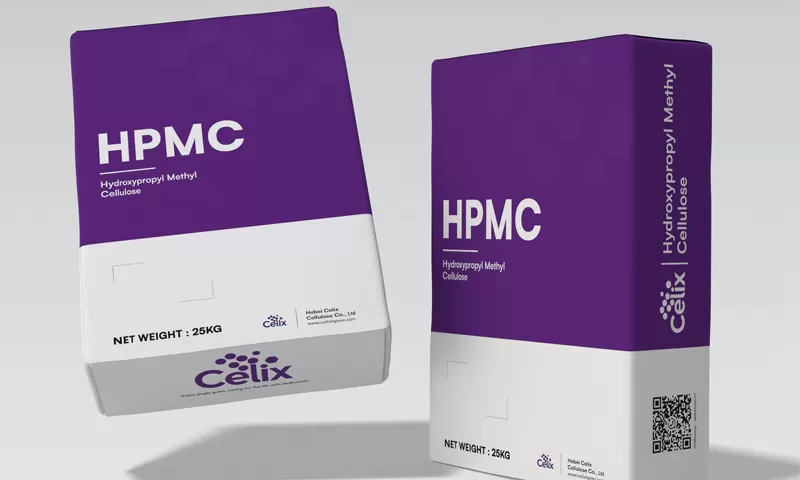
Celix Model: PM-65U, PM-75U
Celix Modified Model for EIFS/ETICS: PM-Pro-AS
CAS No.: 9004-65-3
Type: Chemical Auxiliary Agent
Appearance: White To Off-White Powder Substance
Viscosity Range: 65,000-75,000m Pa.s (Brookfield, 2% water solution)
HS Code: 39123900
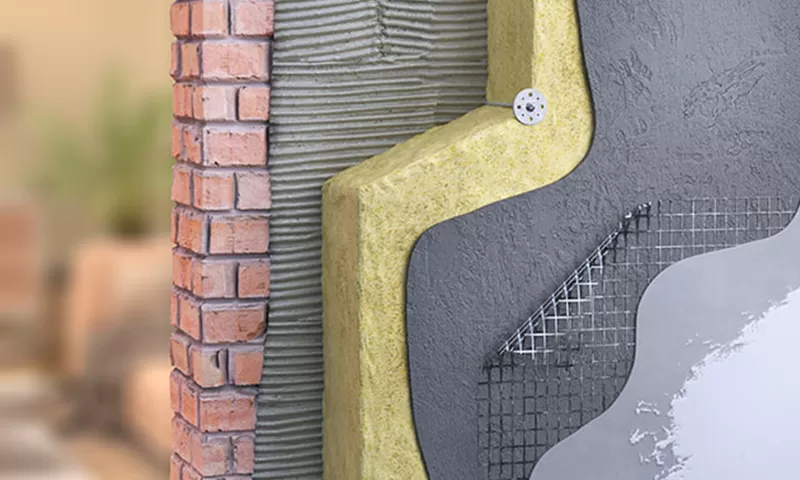
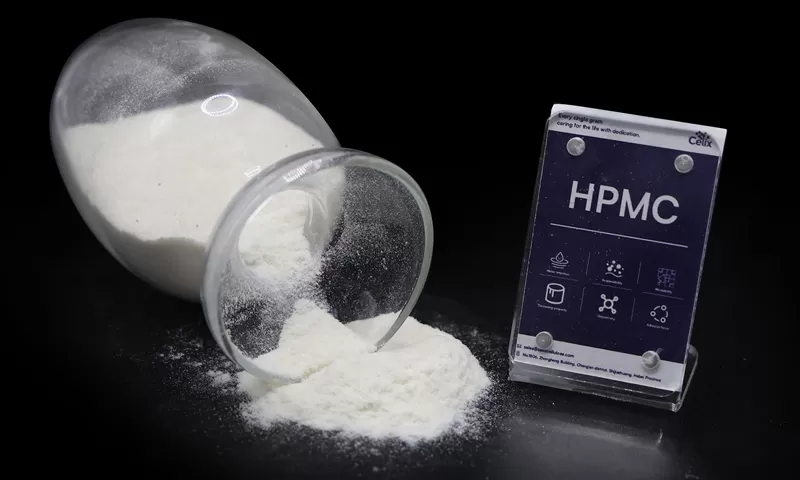
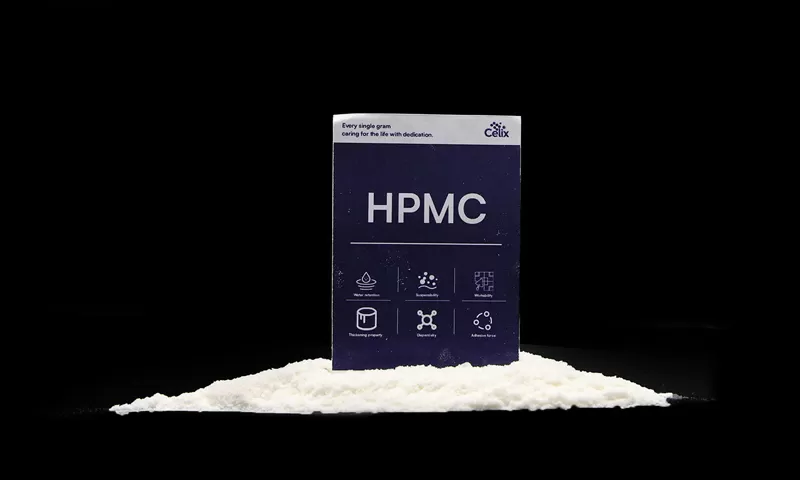
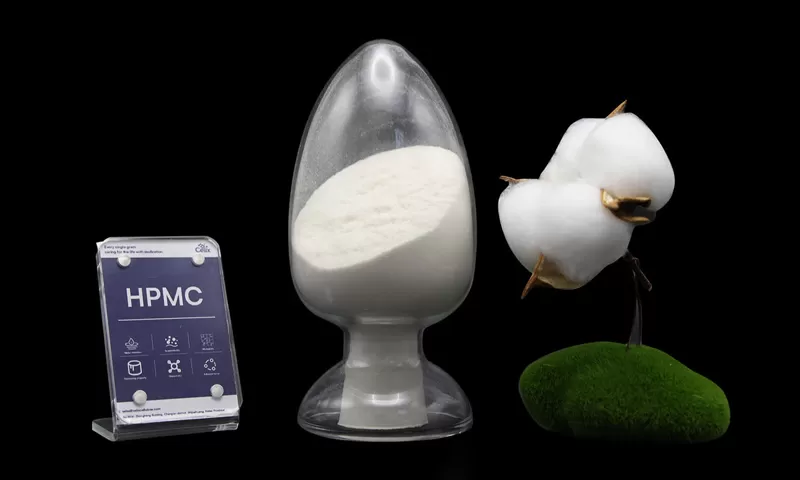
Celix HPMC can enhance the bonding strength, durability, and energy efficiency of the entire insulation system, ensuring that the insulation layer adheres securely to the wall and effectively preventing detachment.
Breathability
Celix HPMC for EIFS preserves the system’s breathability by enabling water vapor transmission, preventing moisture buildup inside the structure to avoid mold or material damage.
Space Saving
By optimizing EIFS mortar consistency and adhesion, Celix HPMC supports thin, uniform application of EIFS layers, helping maintain the system’s slim profile without compromising performance to save wall space.
Thermal Efficiency
Celix HPMC ensures EIFS mortars bond tightly with insulation boards, minimizing gaps that cause heat loss, thus enhancing the system’s overall thermal insulation efficiency.
Adhesive Force
Celix HPMC strengthens the adhesion between EIFS components (e.g., insulation boards, base coats, finish coats), ensuring a stable, integrated system that resists delamination under external stresses.
Our products utilize advanced, fully automated reactor technology from Germany, ensuring high product purity, cost-effectiveness, and consistent quality. This technological advantage allows us to offer affordable solutions without compromising performance reliability.
| Specification | PM-65U | PM-75U |
| Exterior | White or light yellowish white powder | |
| Methoxy.% | 19-24 | |
| Hydroxypropyl,% | 7.5-12.0 | |
| Gel temperature | 60-70 | |
| Ash content,% | ≤5 | |
| Water content,% | ≤5 | |
| pH value | 6-8 | |
| Viscosity(2%, 20C, Mpa.s) | 65000 | 75000 |
| Granularity | 98% passed the 80 mesh | |
| Density | 370-390 g/L | |
| Dosage | 2-4‰ | |
* The recommended dosage of this product is 2-4‰ of the system, and the dosage needs to be determined by experiment. Contact us for solutions!
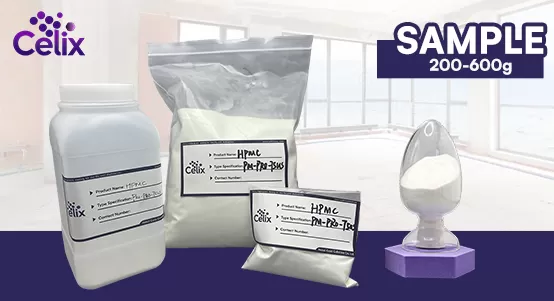
Fast sample supply to enable you assess the performance of the product before buying.
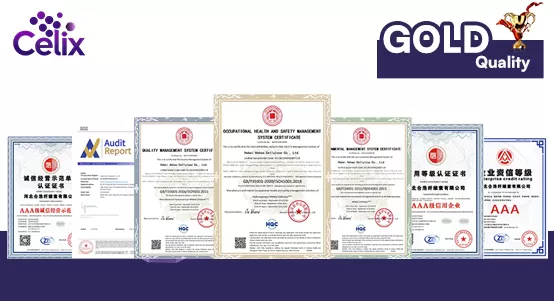
To guarantee consistent, high-quality products, rigorous testing is conducted at each level.
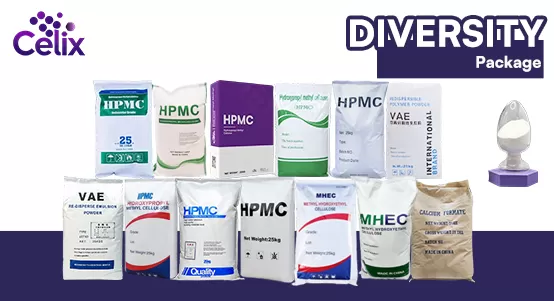
Standardized, secure packaging for long shelf life and safe transportation.
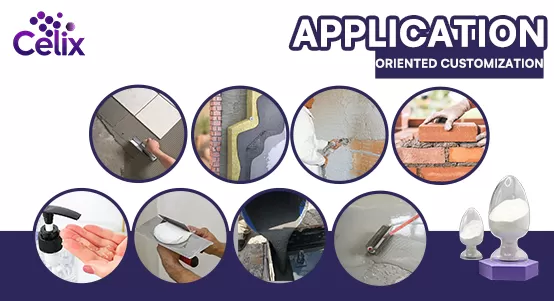
Formulations tailored to fit your particular application requirements.

Provide technical, marketing, and training resources to regional partners. 6. Online Factory Monitor: This fully transparent digital gateway allows you to track production, quality, and shipments in real time.
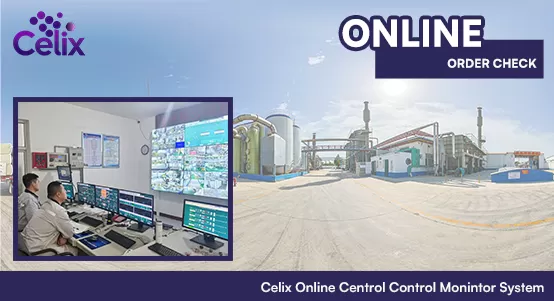
Provides a transparent, real-time digital platform for tracking production, quality, and shipments.
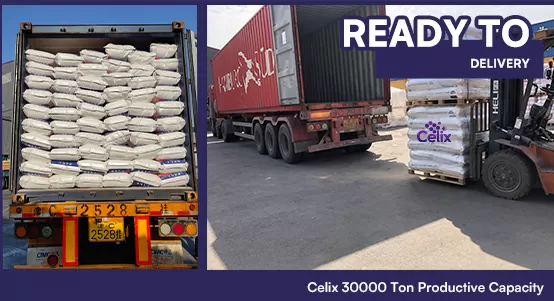
Maintaining inventory and adaptable logistics through digital management allows for quick dispatch to fulfill your pressing project deadlines.
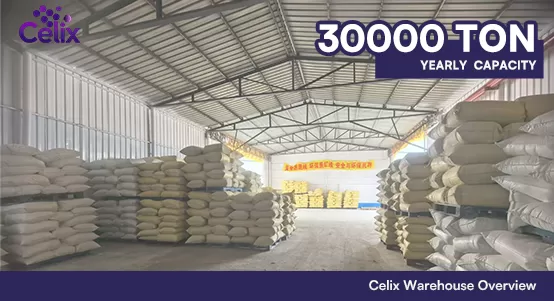
Hydroxypropyl Methyl Cellulose is a powdered polymer that absorbs water and is hygroscopic. It should be kept dry and cool while being stored and transported in its original packing. The original package must be resealed after opening during manufacture and usage to stop moisture ingress.
Hydroxypropyl Methyl Cellulose (HPMC) serves as a critical water retention agent, thickener, and rheology modifier in both EIFS/ETICS adhesive mortars (for bonding EPS, XPS, or mineral wool boards) and base coat reinforcing mortars (for embedding fiberglass mesh).
Core Role: Exterior wall substrates (such as concrete, hollow bricks, and AAC blocks) and outdoor wind/sun exposure rapidly draw moisture from thin mortar layers. HPMC retains over 98% of mixing water inside the fresh mortar, ensuring complete cement hydration, maximum tensile bond strength, and crack-free durability.
Strong, lasting adhesion between insulation boards and the structural wall is essential for EIFS/ETICS wind-load safety:
Full Wetting & Interface Hydration: HPMC maintains a moist, creamy mortar interface that thoroughly wets low-porosity insulation boards (like EPS/XPS) while allowing cement crystals to grow deeply into porous masonry substrates.
Zero Hollowing or Debonding: By preventing premature skinning and rapid moisture loss, HPMC eliminates weak bond interfaces, ensuring the system passes strict ETAG 004 / EN 13499 tensile adhesion requirements.
Base coat mortars are applied in thin layers (3–5 mm) over large exterior facades, requiring effortless spreading and easy mesh integration:
Creamy Trowelability: HPMC imparts tailored pseudoplastic rheology. Under stainless-steel trowel pressure, the mortar spreads smoothly with minimal drag, reducing applicator fatigue on high scaffolding.
Effortless Mesh Embedding: Its balanced viscosity allows fiberglass reinforcing mesh to press cleanly into the wet base coat without tearing, rolling, or trapping air pockets.
Because EIFS/ETICS is applied outdoors across entire building facades, mortars are directly exposed to solar radiation, high temperatures, and wind:
Extended Open Time: High-grade EIFS HPMC prevents surface skinning, giving installers a generous 25–30+ minute open time to adjust insulation boards and trowel base coats before initial set.
High Thermal Gelation Point: Modified construction-grade HPMC resists thermal gelation in hot climates (above 35°C / 95°F), maintaining consistent water retention and workability throughout summer construction.
Viscosity selection depends on whether the formulation is an adhesive mortar or a base coat render:
Medium-to-High Viscosity Grades (60,000 to 100,000 mPa.s / cPs): Ideal for EIFS base coat / reinforcing mortars. It provides smooth, easy spreading for large-area troweling and clean mesh embedding without excessive stickiness.
High Viscosity Grades (100,000 to 150,000 mPa.s / cPs): Preferred for heavy-duty EIFS adhesive mortars (especially for thick mineral wool or large XPS boards), delivering maximum anti-sagging strength and high initial grab.
EIFS Adhesive Mortar: Typically 0.20% to 0.35% (2.0 kg to 3.5 kg per metric ton of dry powder mix).
EIFS Base Coat / Reinforcing Mortar: Typically 0.25% to 0.40% (2.5 kg to 4.0 kg per metric ton of dry powder mix).
Pro Tip: Exact dosage depends on local cement reactivity, sand grading, and whether high dosages of RDP are present. Laboratory ladder trials are recommended to optimize trowel feel and open time.
Yes, essential synergistic compatibility.
With Redispersible Polymer Powder (RDP): HPMC retains hydration water while high-dosage RDP (typically 2%–5% in EIFS) forms flexible polymer bridges that absorb thermal expansion stress and resist impact.
With Polypropylene (PP) Fibers: Works seamlessly with short-cut PP fibers to prevent plastic shrinkage micro-cracking across large exterior wall surfaces.
With Silicone Hydrophobic Powder & Starch Ethers: Combines smoothly with water repellents for weatherproof topcoats and with modified starch ethers to enhance anti-sagging stability.
Contact Us

Celix Cellulose Co., Ltd, is an integrated chemical cellulose manufacturer with in-house R&D, factories, and global sales sites.
Our products include HPMC, HEC, MHEC, VAE RDP, PCE, PVA, Defoamers, PP fibers, HPS, SHP and Gypsum Retarder.


Celix Cellulose Co., Ltd, is an integrated chemical cellulose manufacturer with in-house R&D, factories, and global sales sites.
Our products include HPMC, HEC, MHEC, VAE RDP, PCE, PVA, Defoamers, PP fibers, HPS, SHP and Gypsum Retarder.
Quick Links
+8618330106777
info@celixcellulose.com