EN
 jp
 ko
 es
 ru
 pt
 th
 ar
 vi
 id
 kk

Celix Cellulose Co., Ltd, is an integrated chemical cellulose manufacturer with in-house R&D, factories, and global sales sites.
Our products include HPMC, HEC, MHEC, VAE RDP, PCE, PVA, Defoamers, PP fibers, HPS, SHP and Gypsum Retarder.

Celix Hydroxypropyl Methyl Cellulose (HPMC) optimizes mortar performance in certain fields as moisture, workability and so on.
Celix Model: PM-4H, PM-55U, PM-65U, PM-75U
CAS No.: 9004-65-3
Type: Chemical Auxiliary Agent
Appearance: White To Off-White Powder Substance
Viscosity Range: 400-75,000m Pa.s (Brookfield, 2% water solution)
HS Code: 39123900
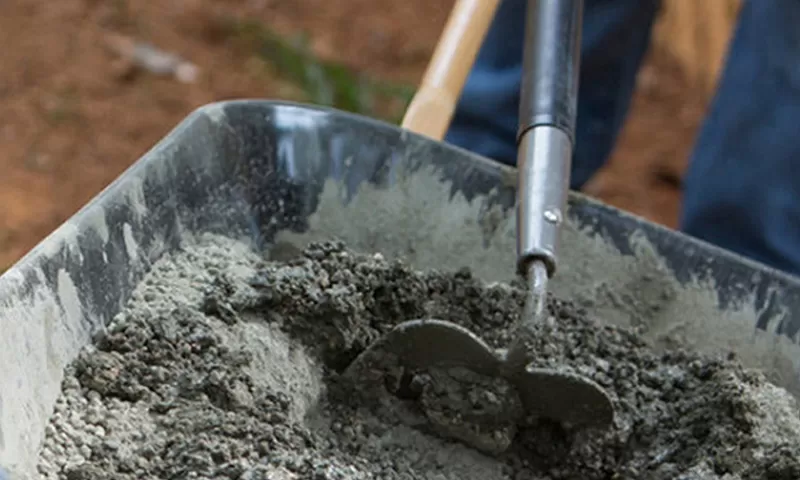
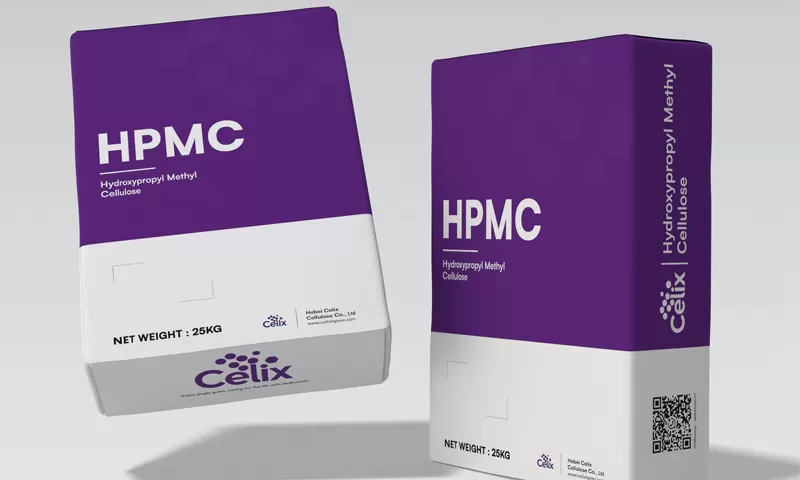
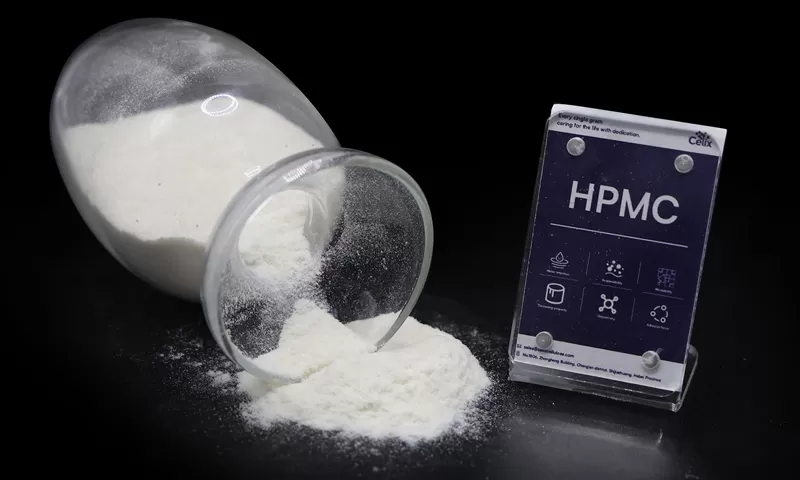
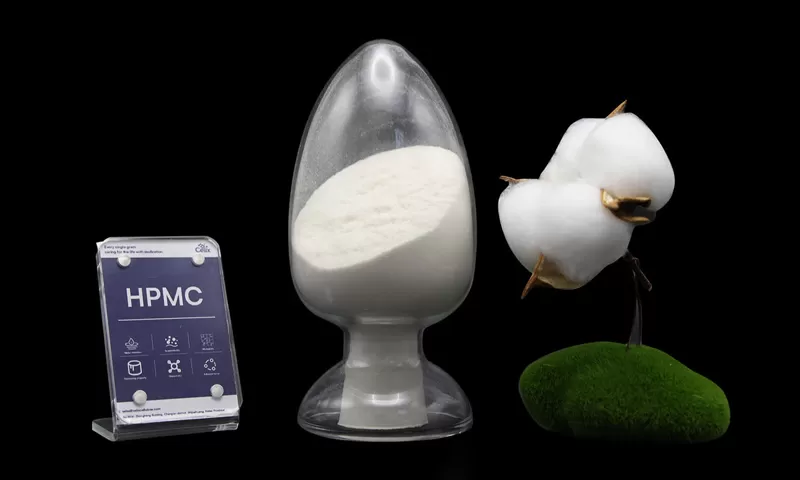
HPMC play the role of "magic powder," as they can significantly improve and adjust the performance of mortar with very small amounts (usually 0.1% to 5% of the total mortar mass).
Water Retention
Celix HPMC for mortar effectively retains moisture, preventing premature drying and ensuring adequate cement hydration for strong, uniform curing.
Thickening Effect
It enhances mortar viscosity, maintaining stable consistency and preventing ingredient separation during mixing and application.
Air-Entraining Function
Celix HPMC introduces fine, stable air bubbles, improving mortar flexibility and freeze-thaw resistance without compromising strength.
Adhesive Force
Boosts mortar’s bonding strength to substrates, reducing delamination and ensuring durable adhesion in various construction scenarios.
Lubricating Ability
Reduces internal friction in mortar, enabling smoother mixing, spreading, and workability for efficient application.
Celix Cellulose provides high-performance Hydroxypropyl Methyl Cellulose (HPMC) designed for construction mortar applications, offering a reliable and cost-effective alternative to internationally recognized brands such as Dow, Ashland, and Tylose.
| Specification | Index |
| Exterior | White or light yellowish white powder |
| Methoxy.% | 19-24 |
| Hydroxypropyl,% | 7.5-12.0 |
| Gel temperature | 60-70 |
| Ash content,% | ≤5 |
| Water content,% | ≤5 |
| pH value | 6-8 |
| Viscosity(2%, 20C, Mpa.s) | 400-75000 |
| Granularity | 98% passed the 80 mesh |
| Density | 370-390 g/L |
Through advanced production technology and strict quality control, Celix HPMC delivers:
Stable viscosity and consistent batch performance
Excellent water retention and workability
Reliable open time and anti-sag properties
Strong compatibility with cement and gypsum systems
Our products are carefully developed to match the performance expectations of global standards while providing greater cost efficiency and flexible supply solutions.
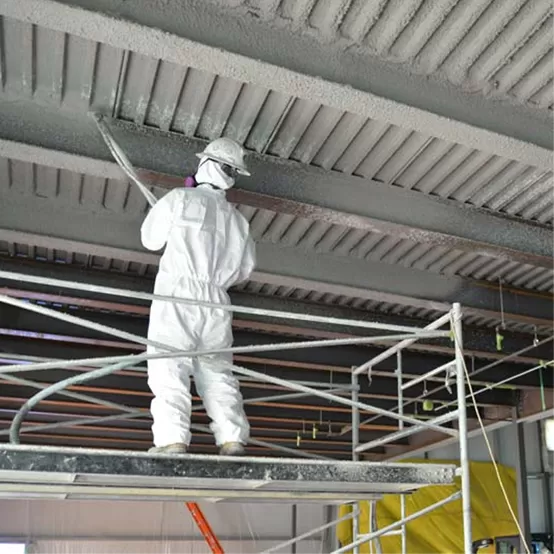
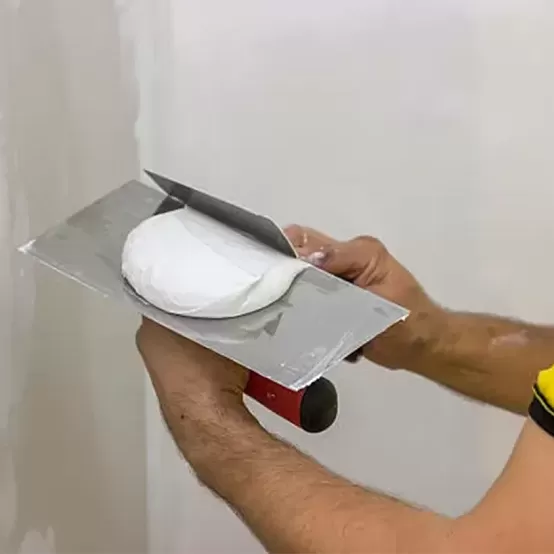
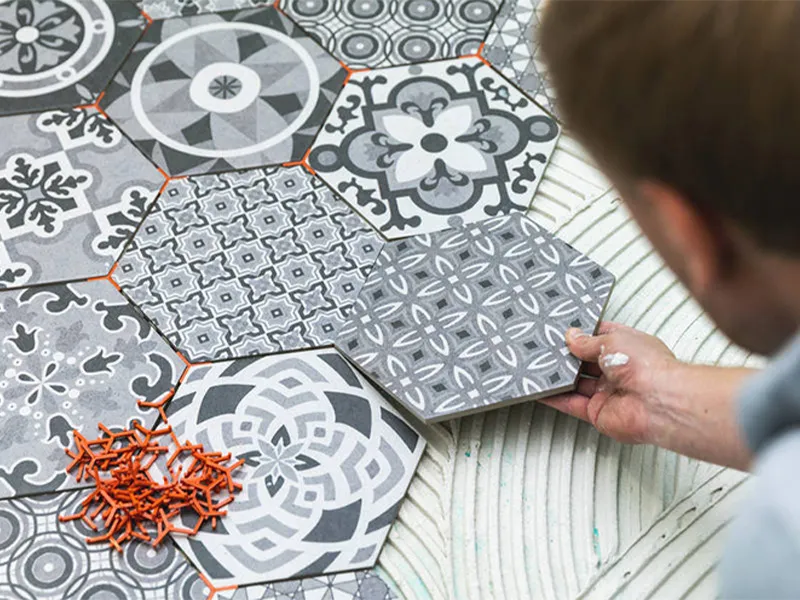
Celix HPMC is widely used in tile adhesive, wall putty, gypsum plaster, and dry-mix mortar systems, helping customers achieve equivalent application performance with improved commercial value.
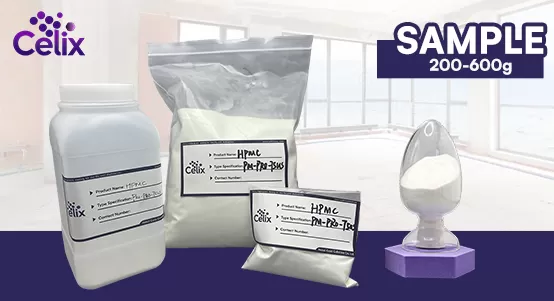
Quick sample supply to assist you in assessing the performance of the product before to purchase.
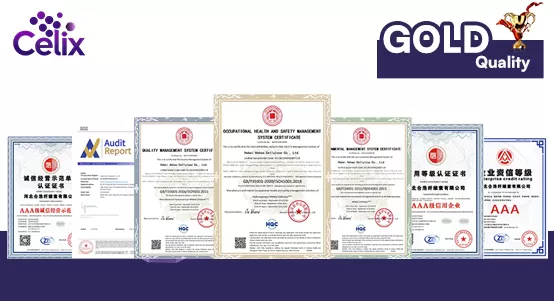
To guarantee consistent, high-quality products, rigorous testing is conducted at every level.
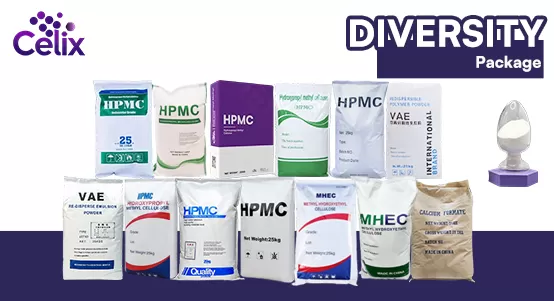
Safe, standardized packaging for extended shelf life and safe transportation.
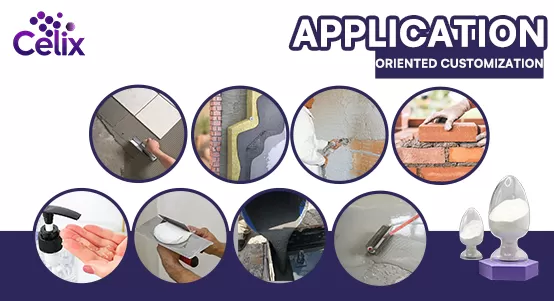
Formulations that are tailored to your particular application requirements.

Provide marketing, training, and technical assistance to regional partners.
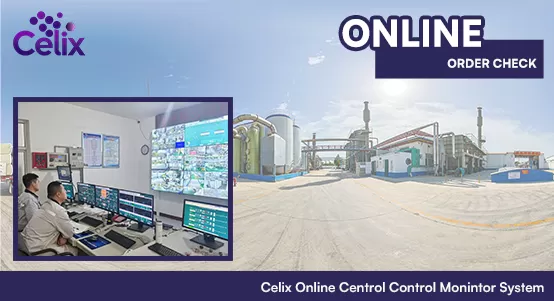
Able to check the Real-time digital portal for production, quality and shipment tracking with full transparency.
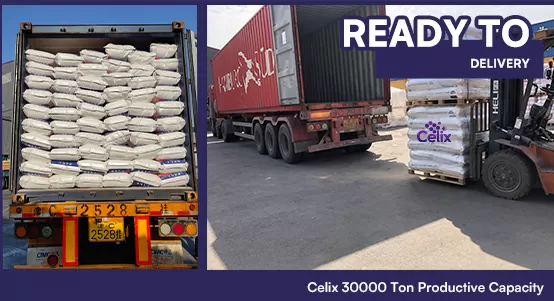
Using digital management to maintain the inventory and flexible logistics, which enables the fast dispatch to meet your urgent project timelines.
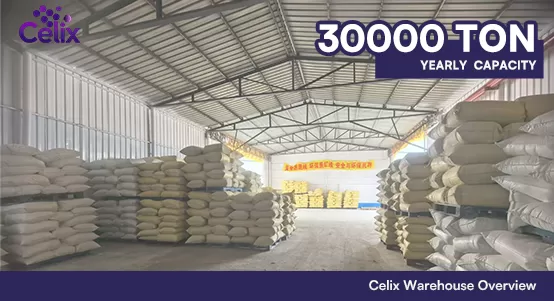
Hydropropyl Methyl Cellulose is a powdered polymer that absorbs water and is hygroscopic. It should be kept dry and cool while being stored and transported in its original packing. The original package must be resealed after opening during manufacture and usage to stop moisture ingress.
Hydroxypropyl Methyl Cellulose (HPMC) serves as the core water retention agent, thickener, and rheology modifier in cementitious and gypsum-based dry-mix mortars.
Core Role: It retains mixing water inside the fresh mortar paste, preventing rapid moisture loss to porous substrates (like bricks, concrete blocks, and AAC blocks) or atmospheric evaporation. This guarantees complete cement hydration, significantly improving compressive strength, tensile bond strength, and overall durability.
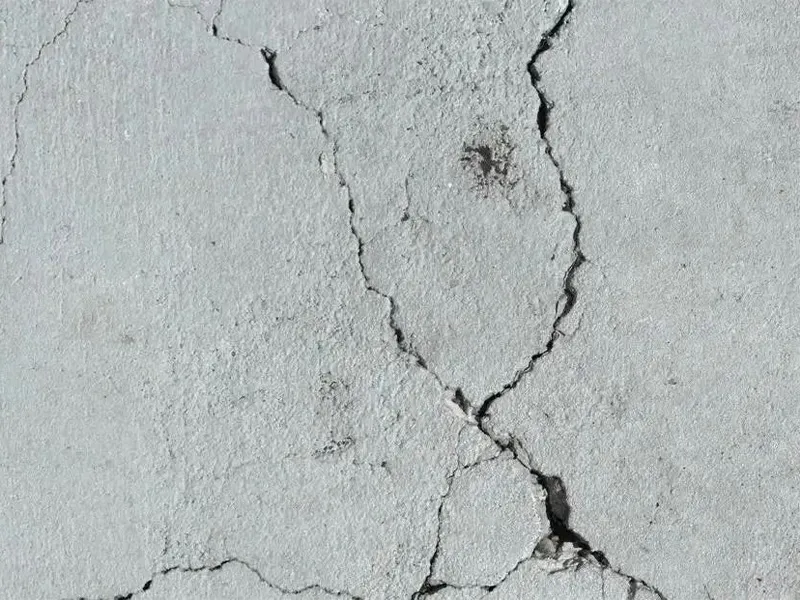
Premature drying is the leading cause of plastic shrinkage cracks and hollow-sounding mortar layers:
Superior Water Retention (>98%): HPMC forms a three-dimensional hydrophilic network that locks moisture inside the mortar during the critical initial curing stage.
Stronger Substrate Adhesion: By keeping the mortar-substrate interface hydrated, cement crystals grow deeply into substrate pores, eliminating debonding, shelling, and structural micro-cracks.
HPMC imparts pseudoplastic (thixotropic) rheology to wet mortar mixes:
Effortless Spreading & Pumping: Under mechanical shear (troweling or machine pumping), the viscosity drops temporarily, making the mortar creamy, smooth, and easy to apply with less arm fatigue.
Anti-Sagging & Thixotropy: Once shear stops on vertical walls, the viscosity recovers immediately, preventing thick mortar layers from slumping, sagging, or bleeding.
Selecting the correct viscosity ensures the optimal balance between water retention, fluidity, and sag resistance:
Low Viscosity (400 – 10,000 mPa.s / cPs): Ideal for self-leveling mortars, non-shrink grouts, and flowable repair mortars requiring high fluidity and pumpability without segregation.
Medium Viscosity (40,000 – 75,000 mPa.s / cPs): Best suited for masonry mortars, machine-sprayed plasters, and standard renders, offering smooth workability and balanced water retention.
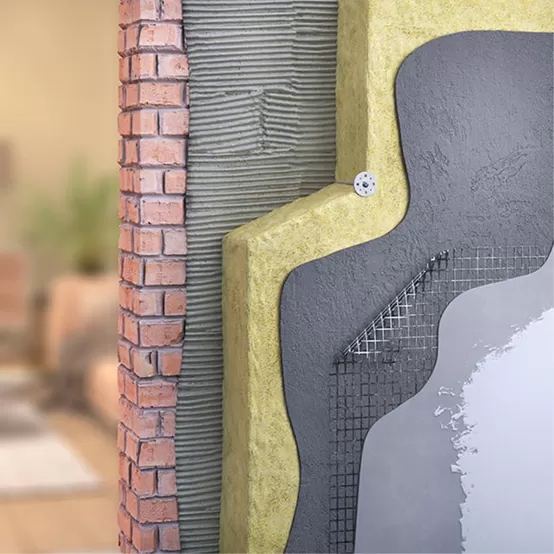
High Viscosity (100,000 – 200,000 mPa.s / cPs): Engineered for EIFS/ETICS insulation mortars, heavy-duty tile adhesives, and exterior renders where maximum water retention and anti-sagging strength are critical.
Dosage varies depending on the specific mortar application, sand gradation, and local climate:
Masonry Mortar: 0.05% – 0.15% (0.5 kg to 1.5 kg per ton of dry mix)
Plastering & Rendering Mortar: 0.10% – 0.25% (1.0 kg to 2.5 kg per ton of dry mix)
EIFS / Thermal Insulation Mortar: 0.20% – 0.40% (2.0 kg to 4.0 kg per ton of dry mix)
Self-Leveling Mortar: 0.05% – 0.10% (0.5 kg to 1.0 kg per ton of dry mix)
Pro Tip: Overdosing increases formulation costs and may entrain excessive air or cause stickiness. Laboratory trial mixes are recommended to calibrate exact dosage.
In hot, arid, or windy environments (above 35°C / 95°F), standard cellulose ethers can suffer from thermal gelation, losing water retention and causing rapid surface skinning.
High Gel-Temperature Grades: Modified construction-grade HPMC features an elevated thermal gel point, maintaining stable viscosity, high water retention, and extended open time even under extreme summer job-site temperatures.
Yes, outstanding synergistic compatibility.
With RDP: HPMC ensures water retention for cement hydration, while RDP forms flexible polymer films to enhance impact resistance, flexibility, and adhesion.
With Modified Starch Ether: Blending a small percentage of starch ether with HPMC boosts thixotropic anti-sagging performance while lowering overall raw material costs.
With Defoamers & Hydrophobic Agents: Works seamlessly in self-leveling compounds (to eliminate pinholes) and waterproof mortars (to prevent efflorescence).
Contact Us

Celix Cellulose Co., Ltd, is an integrated chemical cellulose manufacturer with in-house R&D, factories, and global sales sites.
Our products include HPMC, HEC, MHEC, VAE RDP, PCE, PVA, Defoamers, PP fibers, HPS, SHP and Gypsum Retarder.


Celix Cellulose Co., Ltd, is an integrated chemical cellulose manufacturer with in-house R&D, factories, and global sales sites.
Our products include HPMC, HEC, MHEC, VAE RDP, PCE, PVA, Defoamers, PP fibers, HPS, SHP and Gypsum Retarder.
Quick Links
+8618330106777
info@celixcellulose.com